Mounting is the part of an immersion heater specification that most often gets settled by habit rather than by requirement, and it is also the part that is expensive to change after the vessel is built.
What a flange buys you
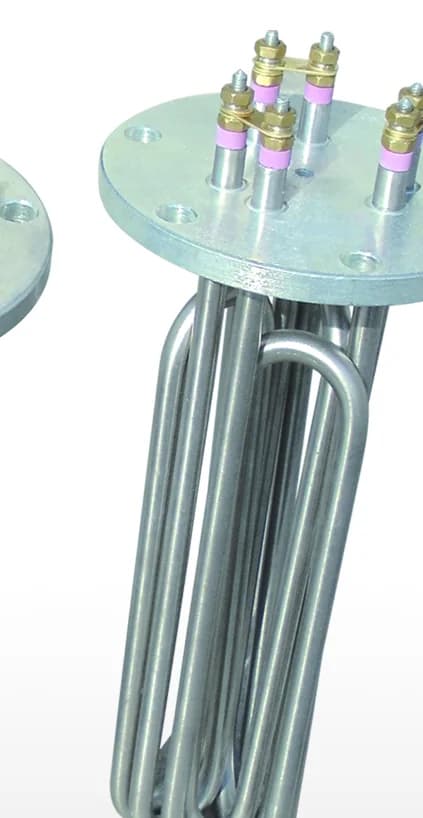
- A gasket face that seals reliably from 0.8 to 4 MPa
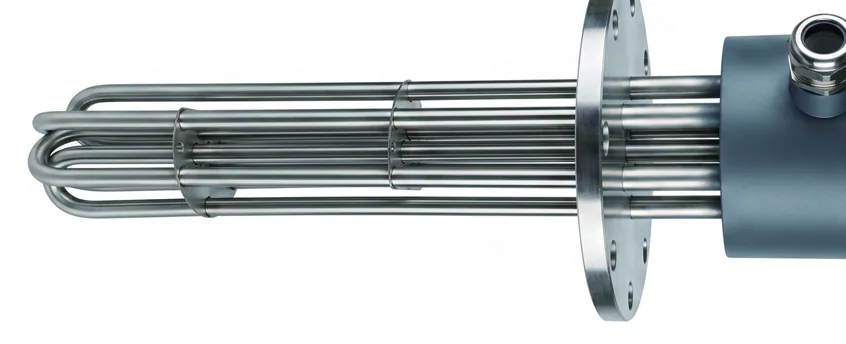
- Enough bolt area to carry a heavy multi-element bundle without loading the tube
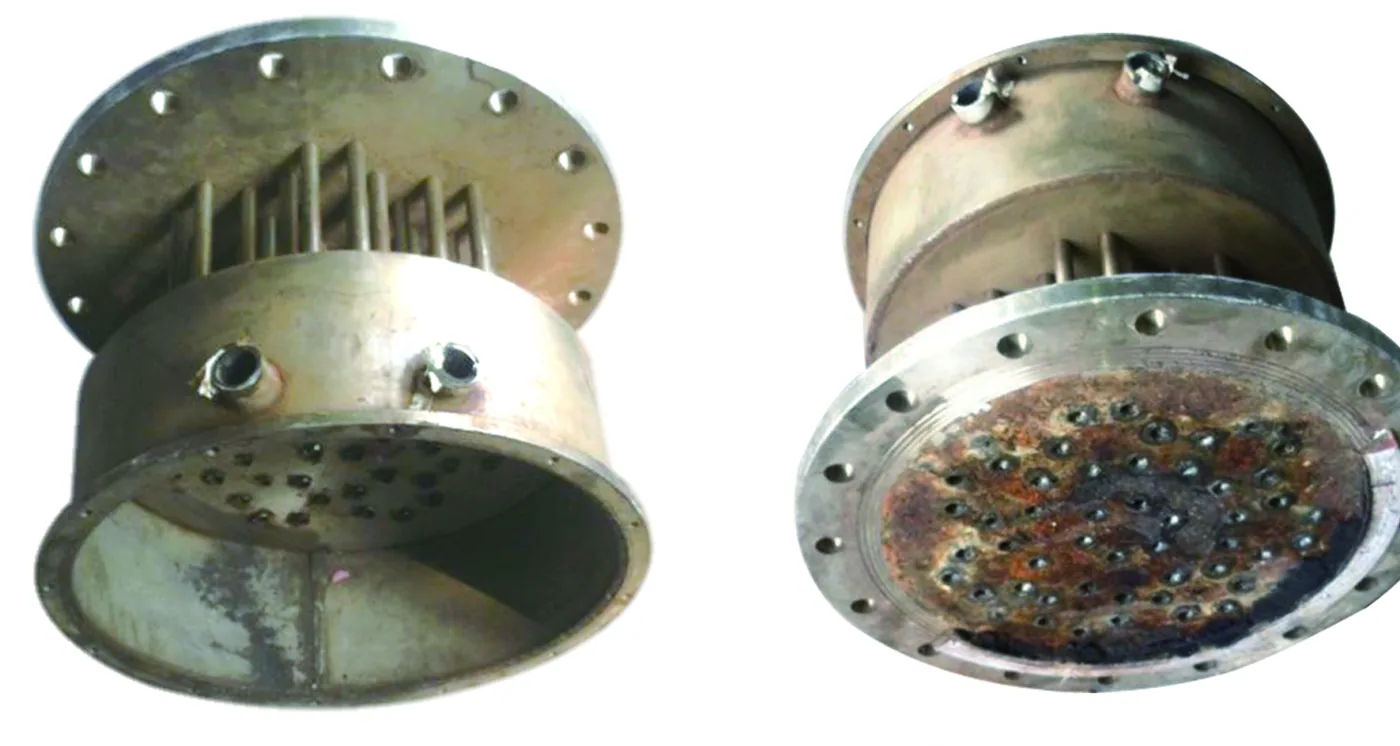
- Withdrawal of the whole bundle for descaling or replacement without disturbing pipework
- Room on the face for a thermowell, a high-limit pocket and an earth stud
- A defined interface — DIN, ANSI, JIS or GB — that the vessel builder can machine to independently
When a threaded boss is enough
A single element up to a few kilowatts, in a tank at low pressure, mounted where nobody expects to remove it often, is well served by a threaded boss and a sealing washer. It is cheaper, it needs a smaller penetration, and there is less to go wrong. The limits are real though: the seal depends on the thread and the washer rather than on a gasket face, the boss carries the element's weight through a small area, and removing the element means unthreading it out of the tank.
Naming the standard
Send the flange standard, nominal size and pressure class you work to rather than a bolt-hole count and a diameter. "DN150 PN16" or "6-inch ANSI 150#" tells us the whole mating geometry; "eight holes on a 240 mm circle" leaves the raised face, thickness and bolt size to be guessed at. Where you are replacing an existing heater, the fastest route is a photograph of the flange face with a rule across it plus the old part number.
常见问题
Can I convert a threaded heater installation to a flange later?
Only by re-working the vessel, which usually means cutting in a new nozzle and re-testing. This is why the mounting decision is worth making properly at the design stage: the heater is cheap to change and the vessel penetration is not.
What flange information do you need on an inquiry?
The standard, nominal size and pressure class — for example DN150 PN16, or 6-inch ANSI 150#. That defines the raised face, thickness, bolt circle and bolt size in one line. If you are replacing an existing heater, a photograph of the flange face with a rule laid across it and the old part number is just as good.
Does the flange need a thermowell?
If anything is controlling on temperature, yes — and it should be positioned to read the fluid rather than the sheath. A pocket sited too close to the heated tubes reads sheath heat and makes the control loop hunt, which is a common and frustrating commissioning problem. Say what control device you intend to use and the pocket will be placed for it.