Who specifies these
Eight sectors, eight different failure modes.
What a buyer is actually trying to avoid differs by industry — product degradation in chemical, bore fit in plastics, certification lead time in energy. The application pages are written around those, not around our catalog.
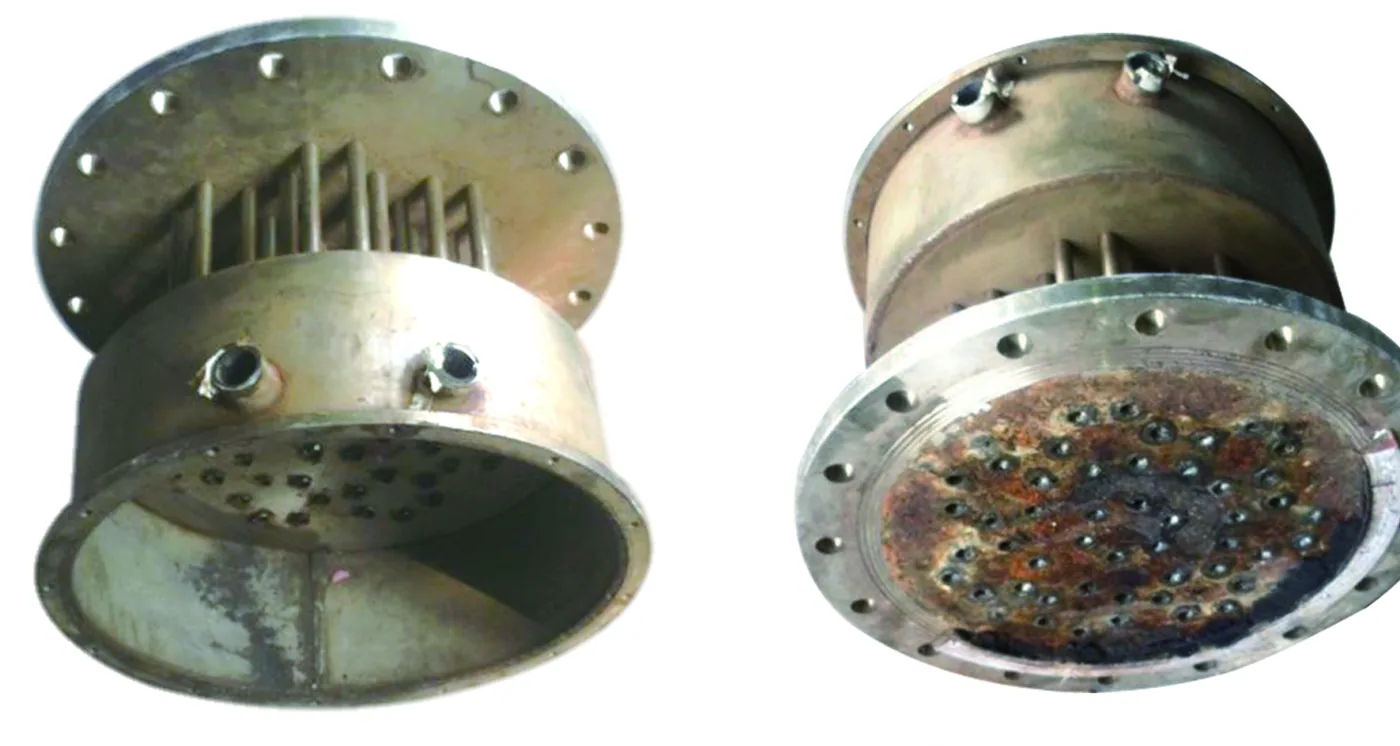
Chemical & Process
Reactor preheat, thermal-fluid loops, solvent recovery and pressure drying — usually in a classified area, always with a product that degrades if the sheath runs hot.
View series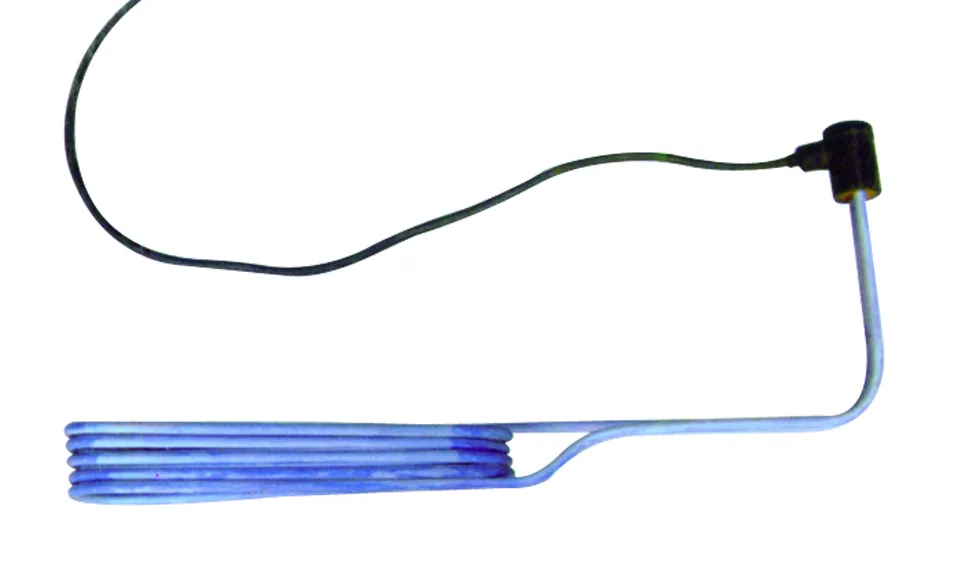
Metal Finishing & Plating
Plating, anodizing, pickling, passivation and caustic degreasing — tanks where the chemistry decides the sheath long before the wattage does.
View series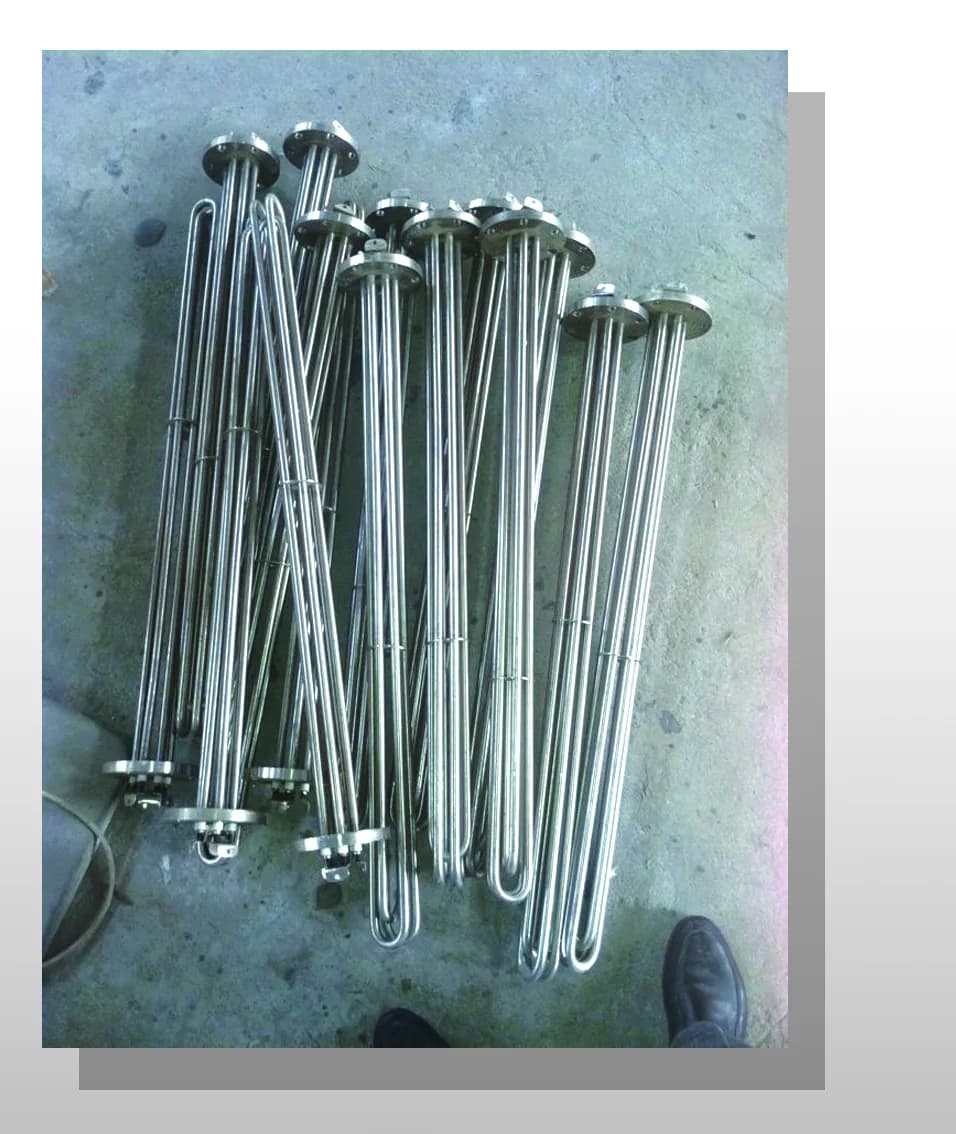
Heat Treatment
Austempering and martempering salt baths, tempering ovens, preheat baths and wire patenting lines running at 500 °C and above.
View series
Plastics & Rubber
Injection molds, hot-runner manifolds, extrusion dies, press platens and hopper dryers across the molding shop.
View series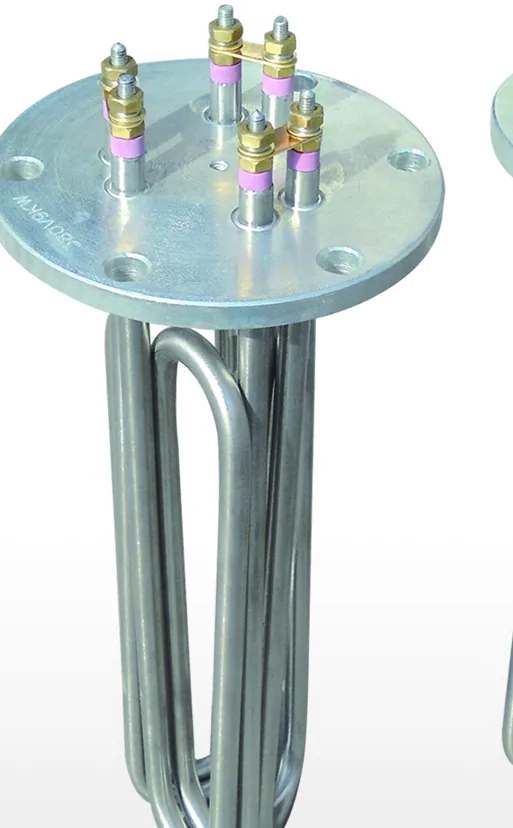
Food & Beverage
Frying vats, CIP tanks, steam raising, proving and drying — hygienic builds in stainless, with wash-down at the terminal end.
View series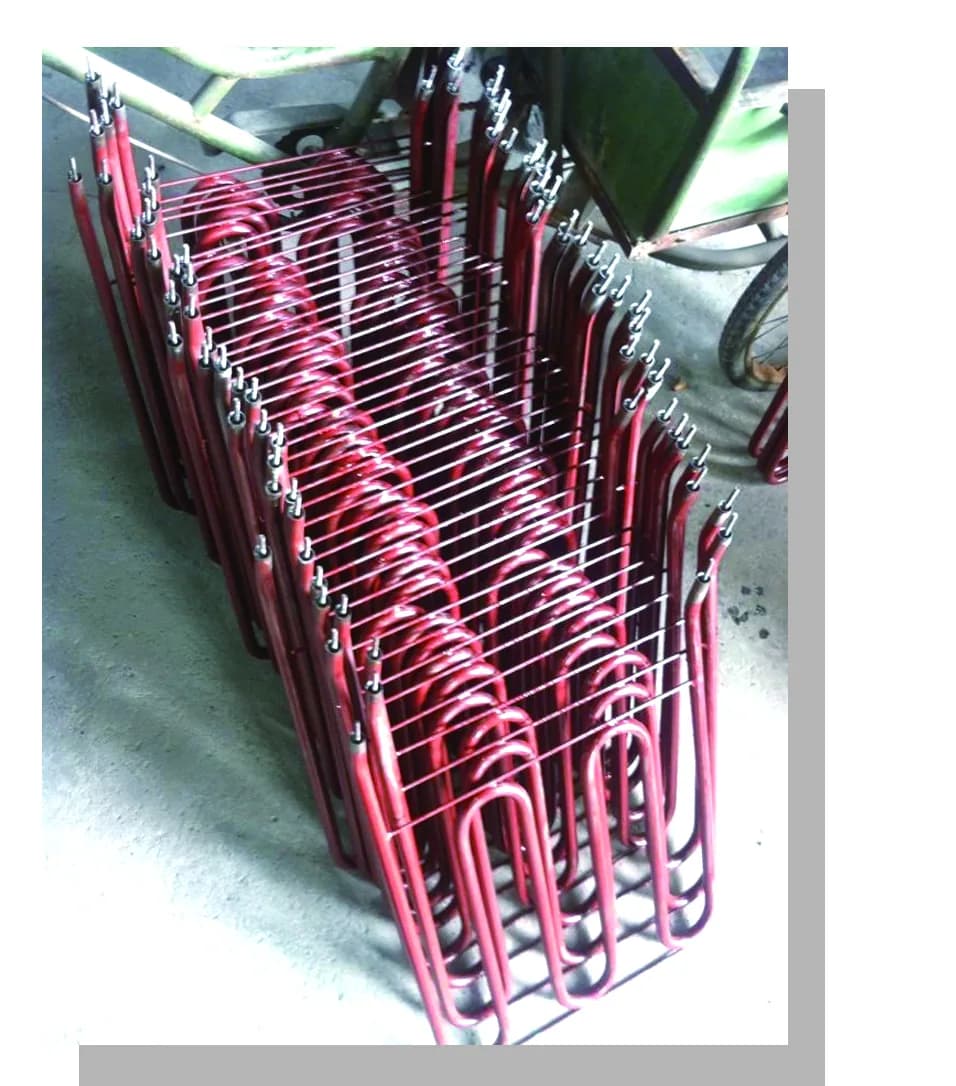
HVAC & Industrial Drying
Duct reheat batteries, unit heaters, air curtains, conveyor dryers, timber and grain kilns.
View series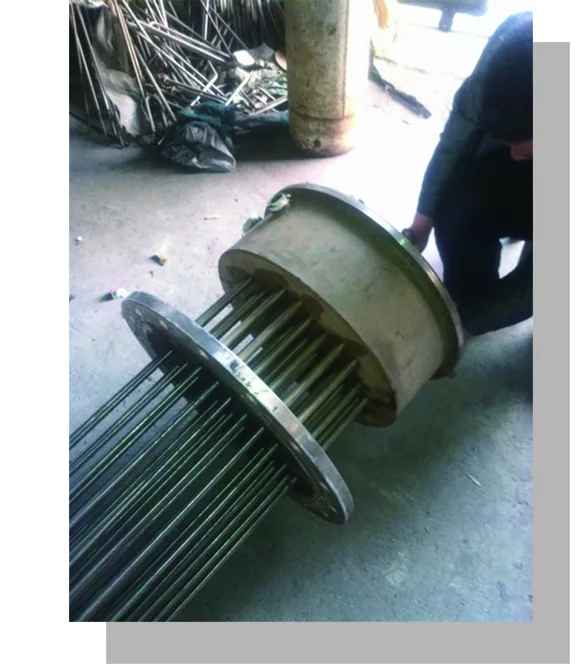
Energy, Marine & Offshore
Crude and fuel-oil heating, gas superheat, platform utilities, marine tank heating and mining installations.
View series
OEM & Equipment Builders
Machine builders specifying heaters into their own product — repeatable parts, stable part numbers, scheduled call-off against a blanket order.
View series