Jiangsu, China · shipping to North America
Heating elements
built to your medium.
Air, oil, water, boiler, nitrate salt, caustic alkali, plating chemistry and hazardous-area duty — 14 series and 138 catalog part numbers, plus made-to-drawing work in stainless, titanium and PTFE. Twenty years of tube forming, MgO filling and swaging in one plant.
RFQs answered in 1 business dayNPT threads & ANSI flanges to order60 Hz windings built to order
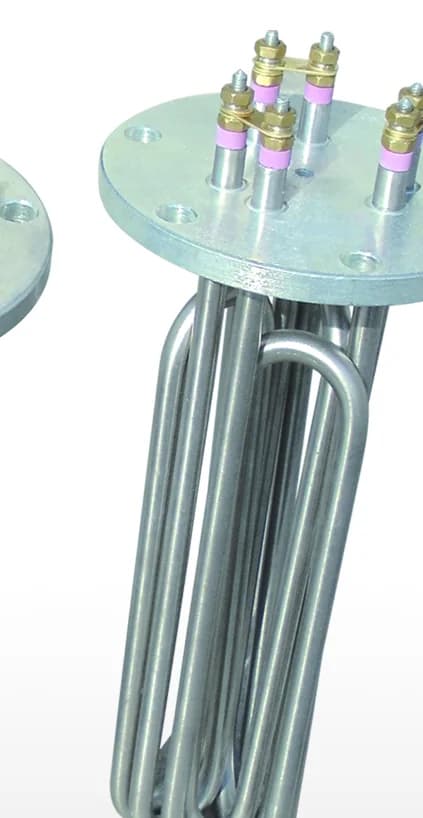
Flanged immersion
3–45 kW
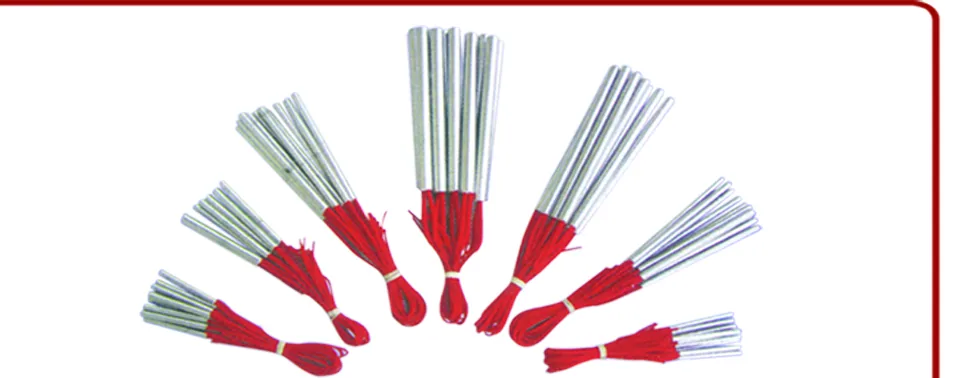
Cartridge
Ø6.5–20 mm
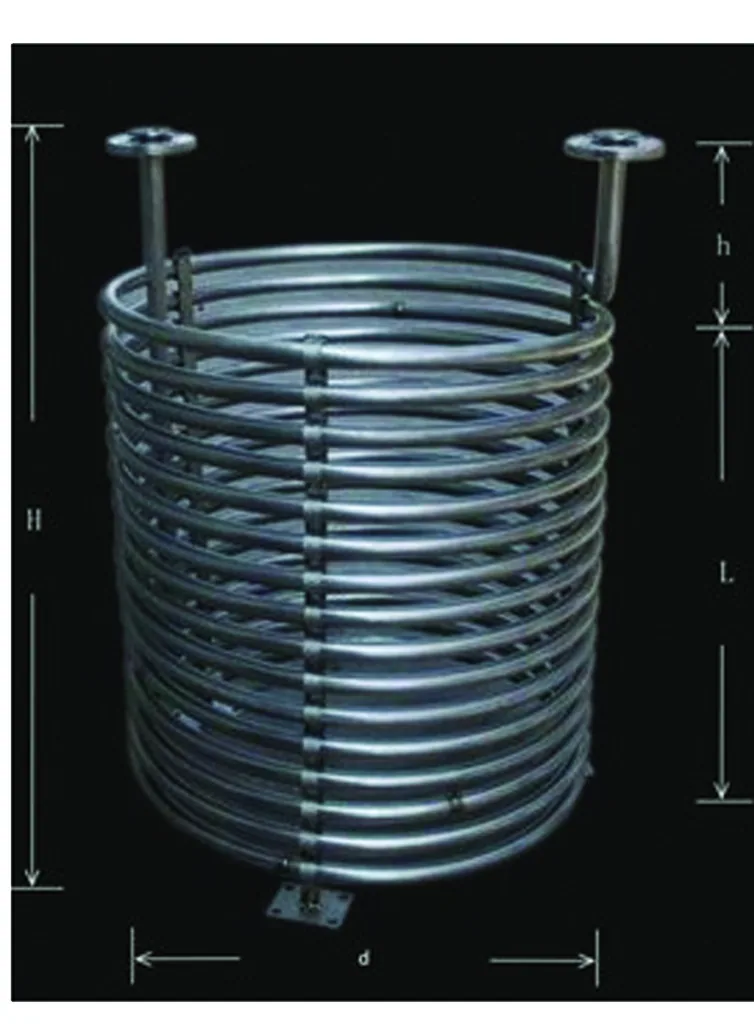
Coil tube
To drawing
750 °C
Max rated temp
0.8–4 MPa
Sealed pressure
10,000 h
Design life
01Browse by medium
Start from what you are heating.
Sheath alloy, watt density and mounting all follow the medium — which is why the catalog is organized by it rather than by part number. Pick the tank, duct or block you are working on and the safe options narrow to a handful.
Air & Oven Heating Elements
Open-air tubular elements for ovens, ducts and furnaces
View series02Oil Immersion Heating Elements
Open and sealed oil tanks, quench baths, thermal-fluid loops
View series03Water & Boiler Immersion Heaters
Pressurized hot-water and steam boiler heating assemblies
View series04Finned Tubular Air Heaters
Spiral-finned elements that triple the surface area in a duct
View series05Nitrate-Salt & Alkali Bath Heaters
Heat-treatment salt baths and caustic cleaning tanks to 550 °C
View series06Explosion-Proof Immersion Heaters
Flameproof flanged heaters for hazardous-area process duty
View series07Titanium & PTFE Heaters
Plating, pickling and acid tanks where stainless will not survive
View series08Single-Head Cartridge Heaters
Swaged cartridges for dies, molds, platens and hot runners
View series09Coil & Steam Coil Tubes
Helical and serpentine coils for steam, oil, water and cooling
View series10Steam Generators & Drying Ovens
Complete heated assemblies, not just the element
View series02The number that decides service life
Watt density, by medium.
Most premature failures are not manufacturing defects — they are a heater asked to put more watts through each square centimetre than the medium can carry away. These are working ceilings, not targets.
03Most specified
The series that move most often.
Full dimensional tables, watt-density guidance and the failure modes to design around are on every series page — not behind a form.
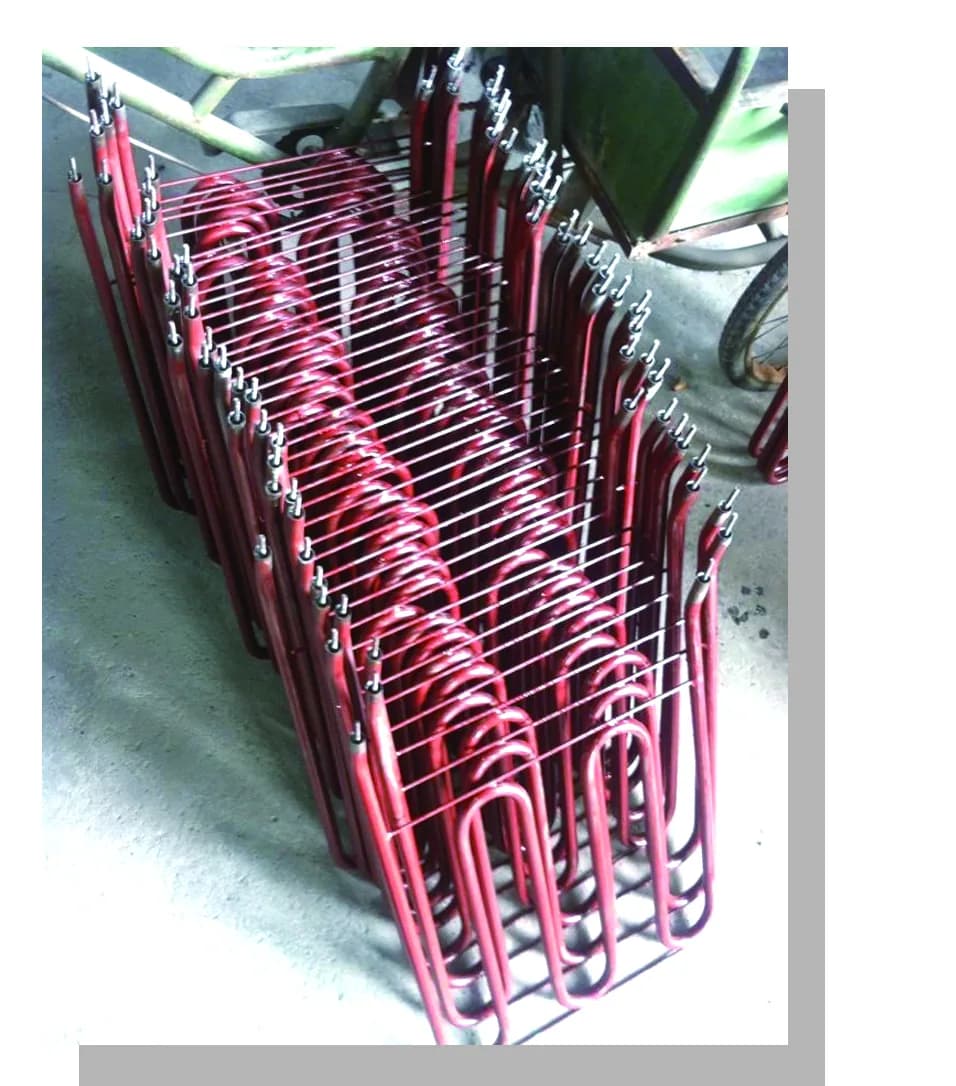 JGQ
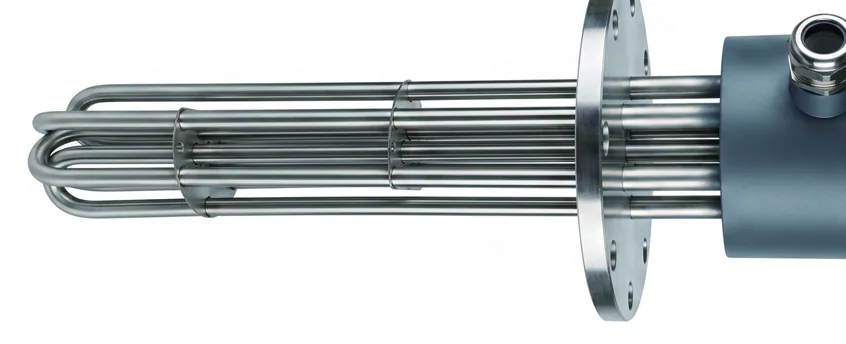
JGQJGQ Tubular Air-Heating Element
Six bend geometries, 0.25–3.0 kW, 36 V to 380 V
- Max temp
- 300 °C
- Power
- 0.25–3 kW
- Part numbers
- 24
 JGY
JGYJGY Oil Immersion Heating Element
Open and sealed oil tanks, 1–8 kW at 220 V
- Max temp
- 300 °C
- Power
- 1–8 kW
- Part numbers
- 11
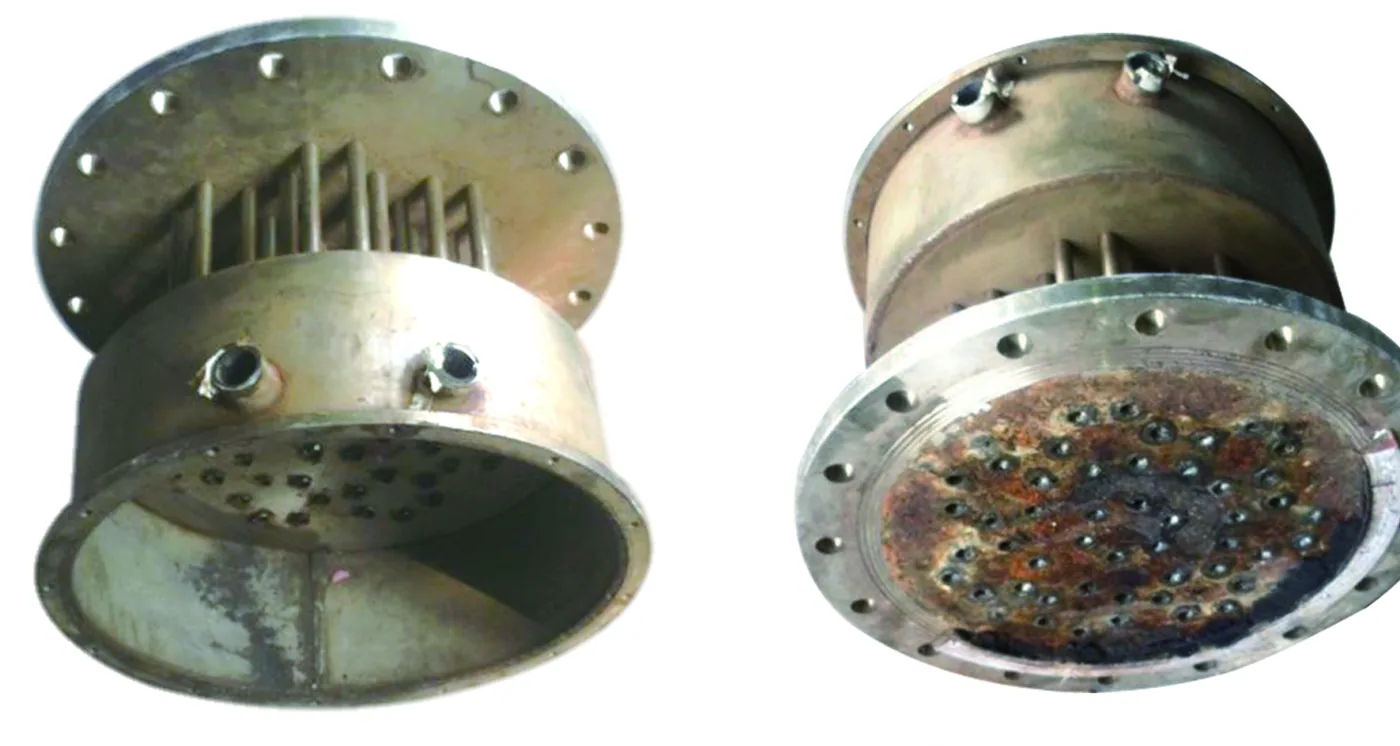
JGSJGS Boiler & Water Immersion Heater
Flange or threaded mount, sealed for 0.8–4 MPa
- Max temp
- 160 °C
- Power
- 1–45 kW
- Part numbers
- 13
 JGB
JGBExplosion-Proof Flanged Immersion Heater
Flameproof enclosure, baffled flow path, independent high-limit
- Max temp
- 450 °C
- Power
- 3–200 kW
- Part numbers
- 8
04Inside the plant
Every step of the element is made here.
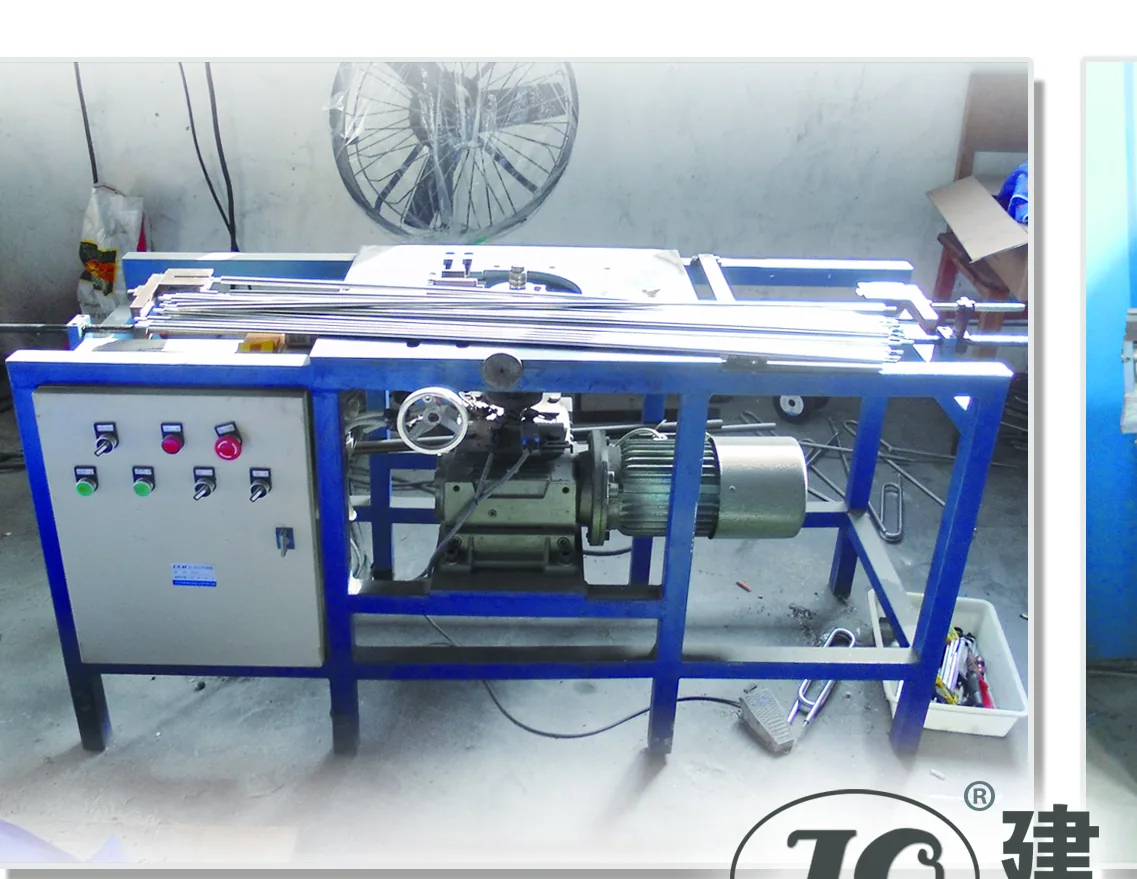
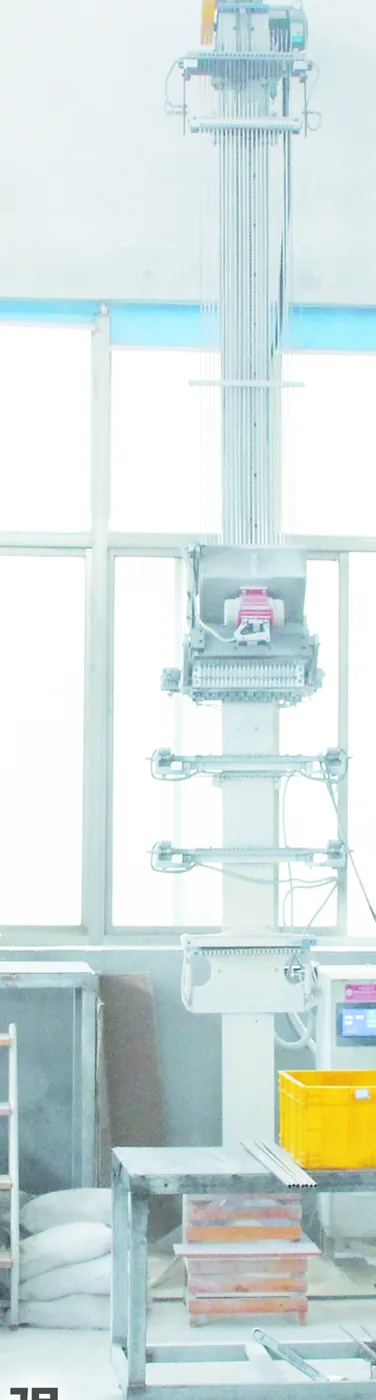
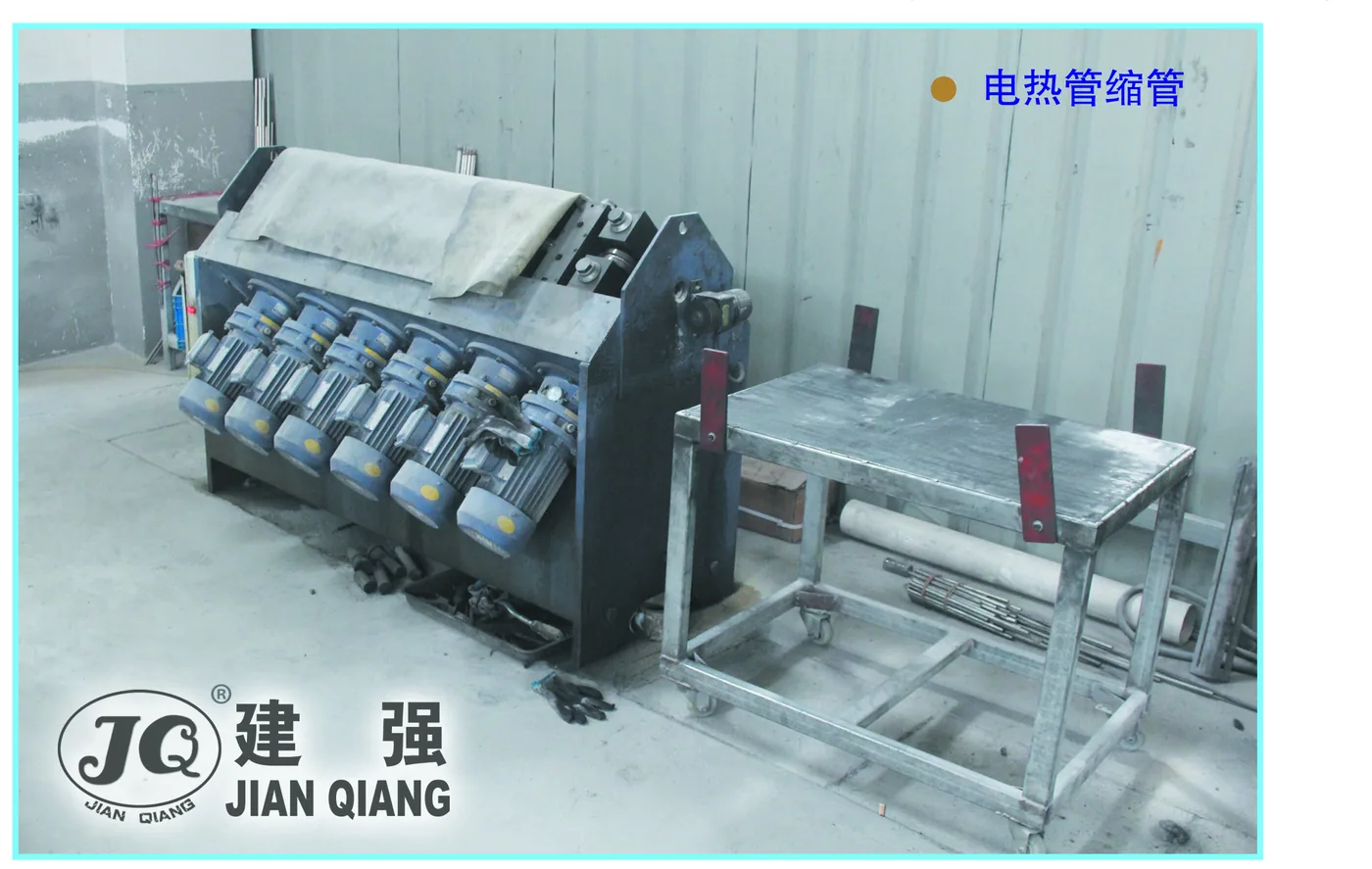
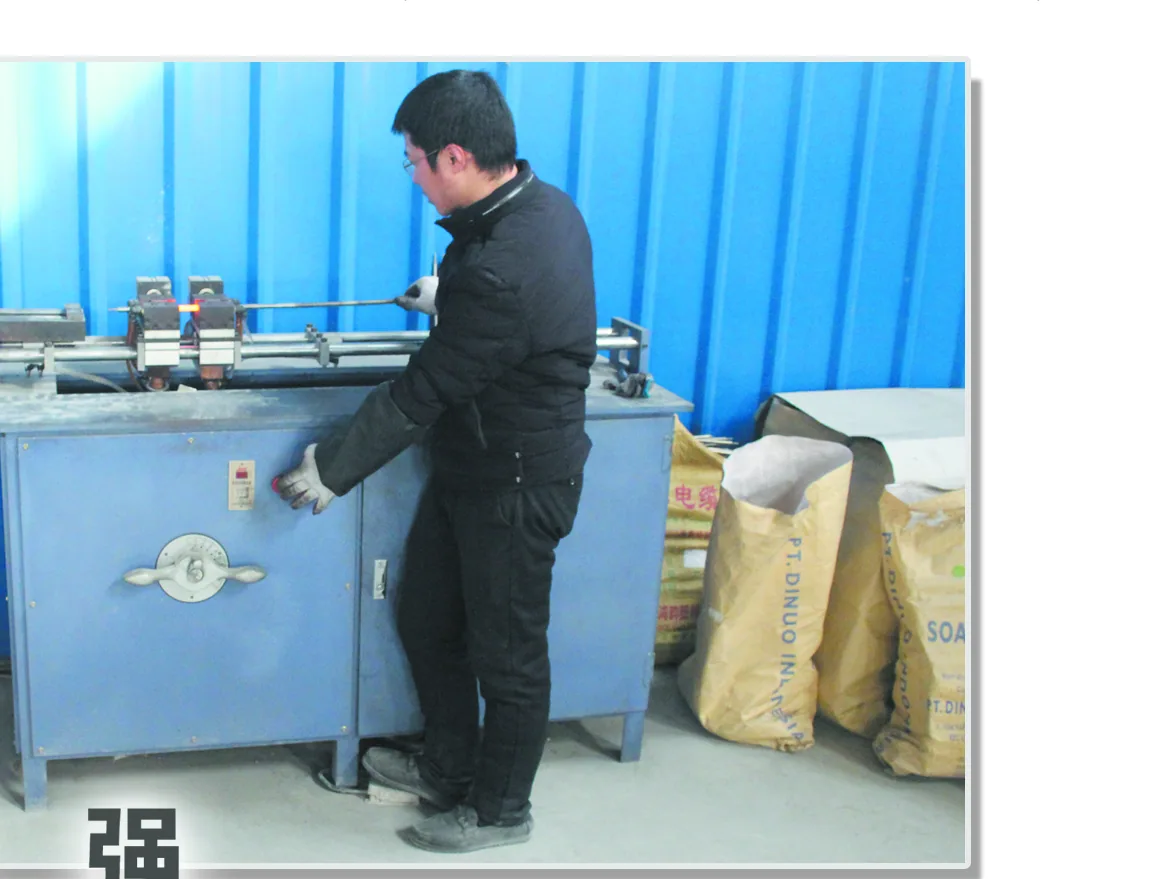
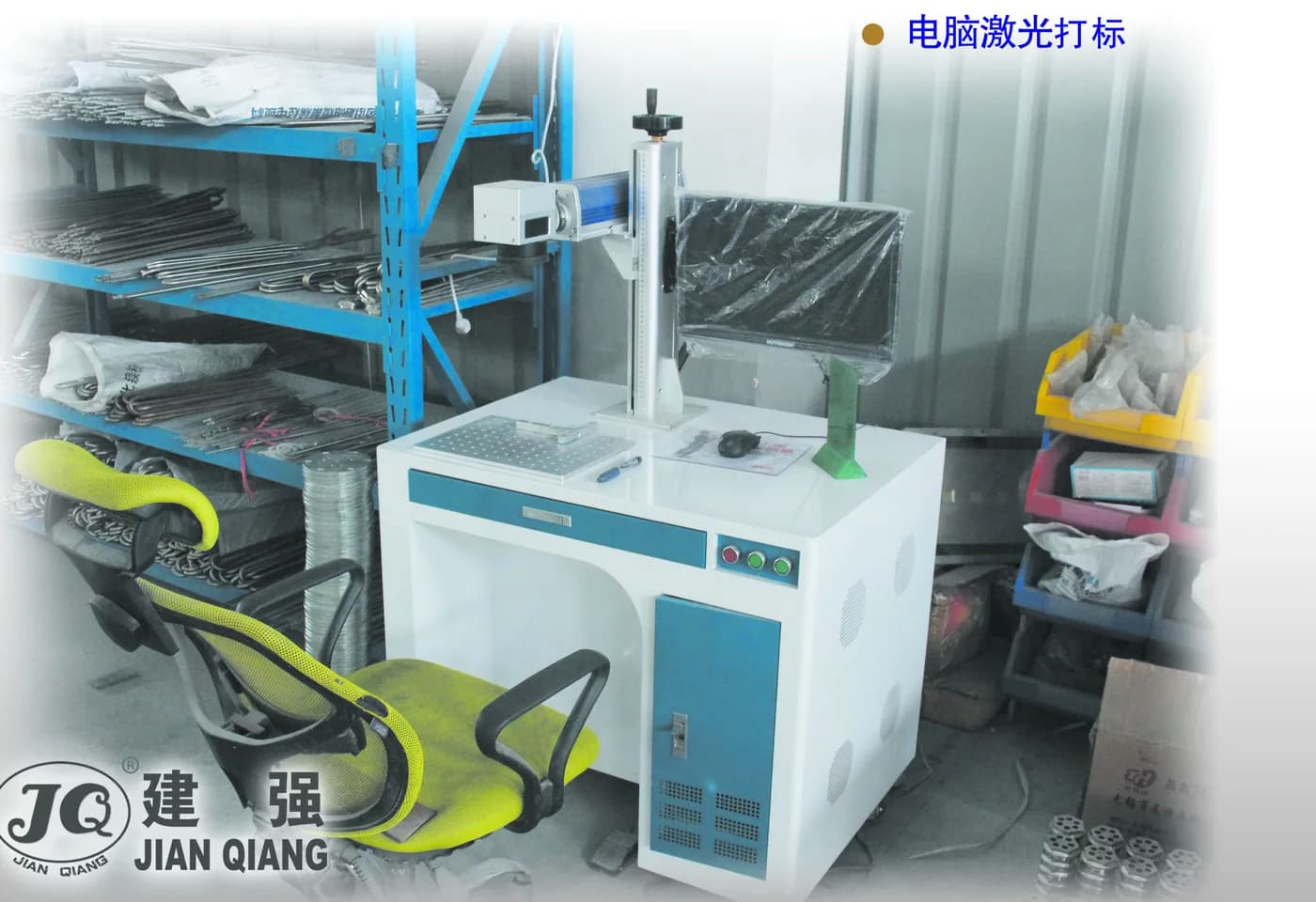
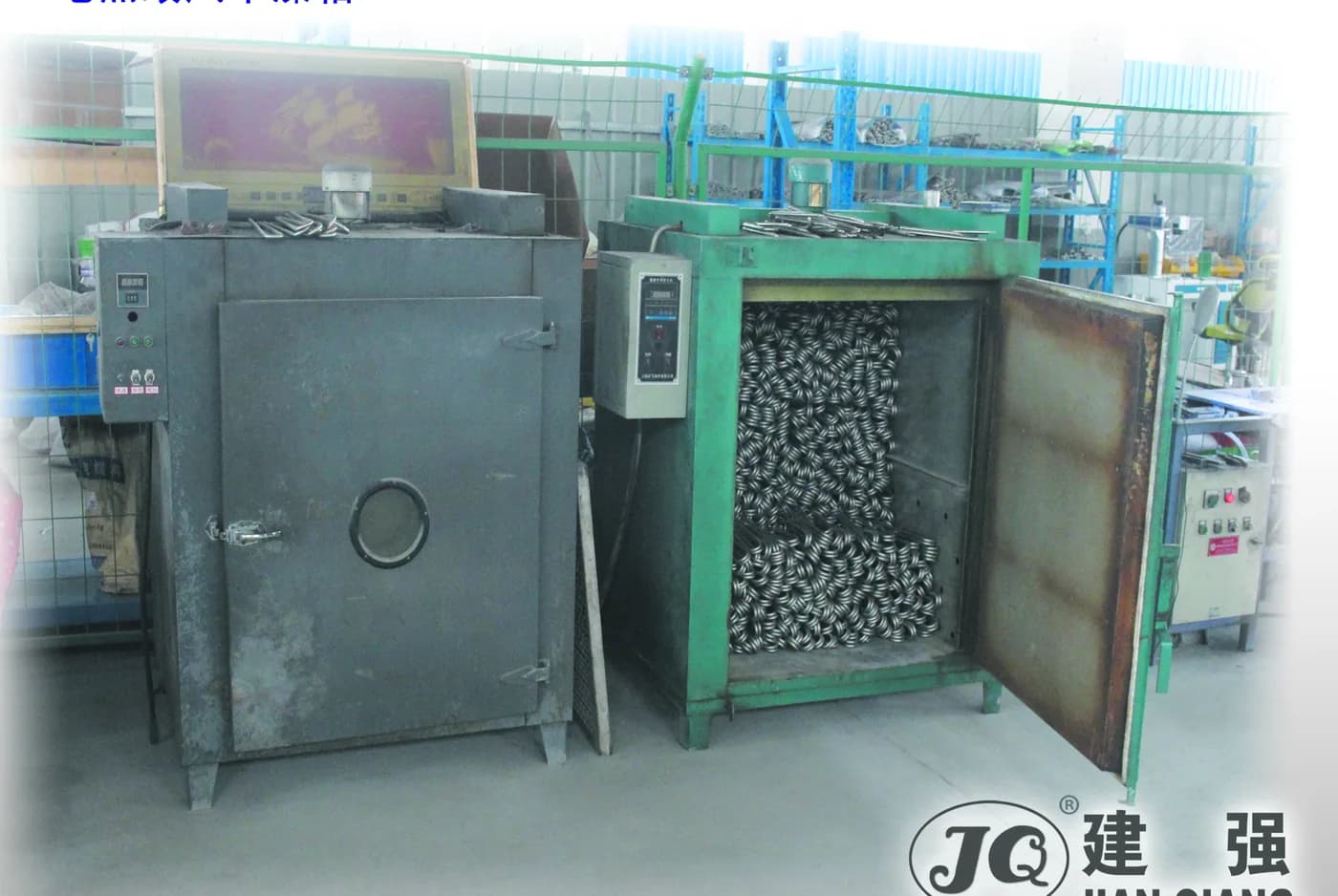
Tube peeling and polishing, CNC bending, automatic magnesium-oxide filling, multi-station swaging, localized annealing and laser part marking — under one roof in Dainan, Jiangsu, the stainless-steel processing cluster of eastern China.
- 20+
- Years forming heating elements
- Based in Dainan, Jiangsu — the stainless-steel processing cluster of eastern China.
- 10,000 h
- Design life, standard series
- Far-infrared elements are rated by the manufacturer for five heating seasons.
- 0.8–4 MPa
- Sealed pressure range
- 116–580 psi. Flange and threaded boiler assemblies, hydrostatically tested before dispatch.
- 36–380 V
- Standard voltage envelope
- 60 Hz windings at 120 / 208 / 240 / 277 / 480 / 600 V are built to order for North America.
05Who specifies these
Eight sectors, eight different failure modes.
What a buyer is actually trying to avoid differs by industry — product degradation in chemical, bore fit in plastics, certification lead time in energy. The application pages are written around those, not around our catalog.
Chemical & Process
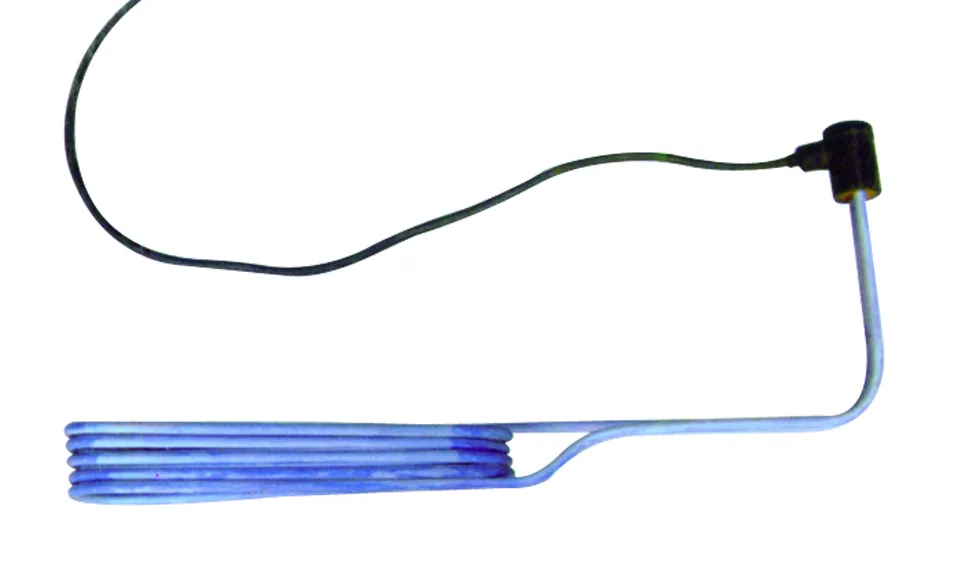
Reactor preheat, thermal-fluid loops, solvent recovery and pressure drying — usually in a classified area, always with a product that degrades if the sheath runs hot.
Metal Finishing & Plating
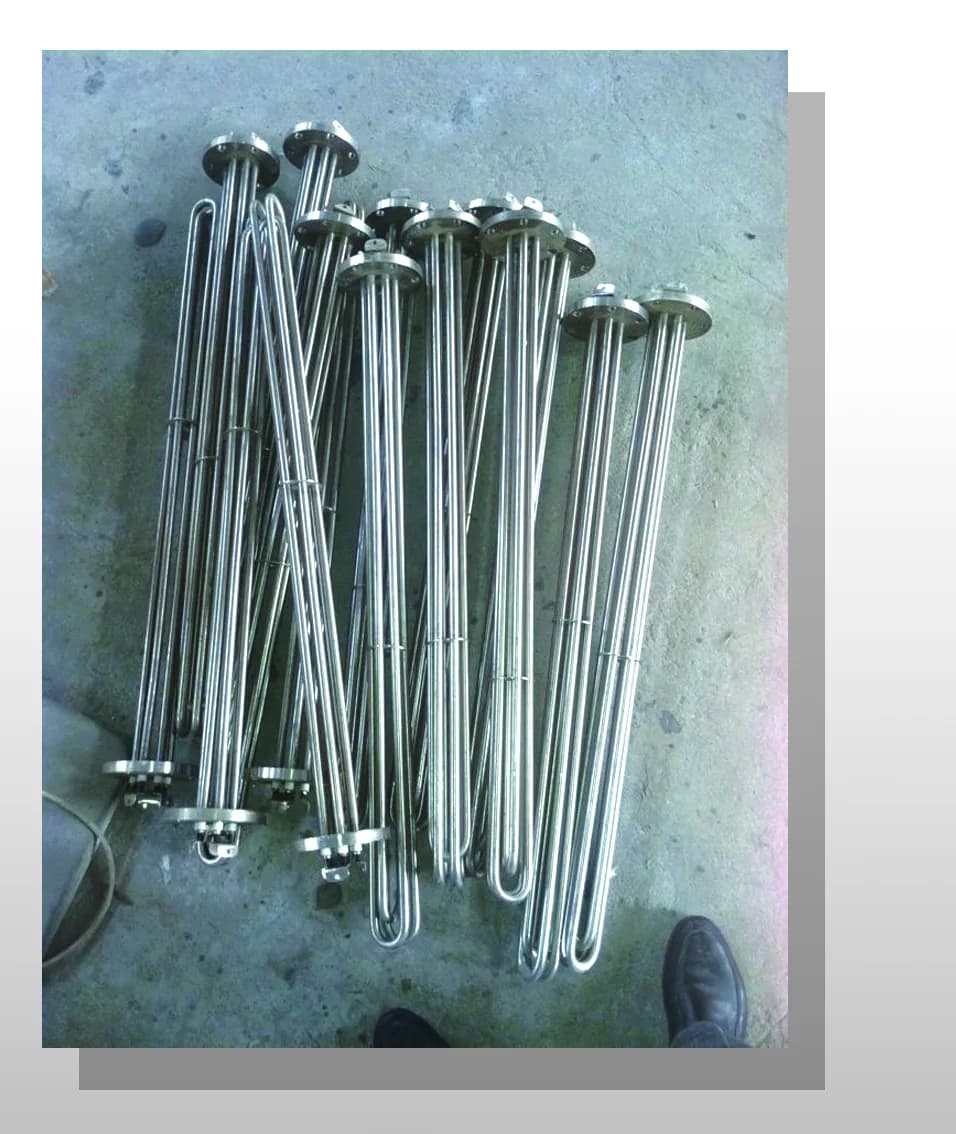
Plating, anodizing, pickling, passivation and caustic degreasing — tanks where the chemistry decides the sheath long before the wattage does.
Heat Treatment
Austempering and martempering salt baths, tempering ovens, preheat baths and wire patenting lines running at 500 °C and above.
Plastics & Rubber
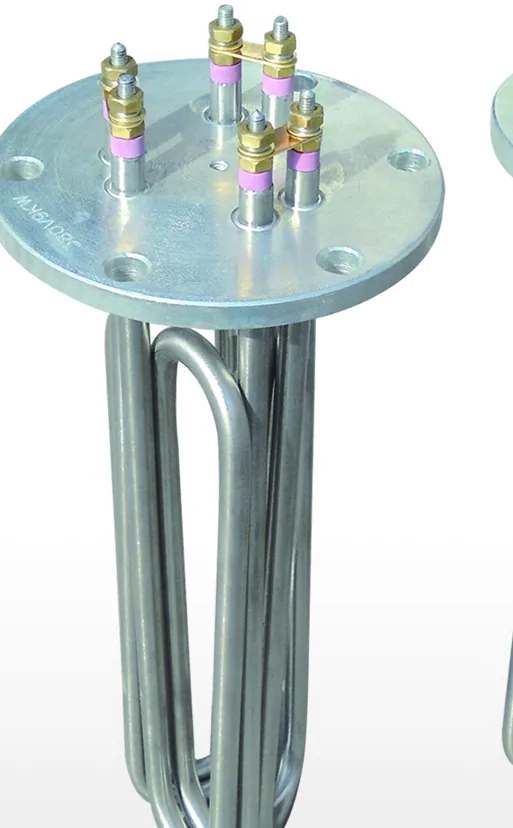
Injection molds, hot-runner manifolds, extrusion dies, press platens and hopper dryers across the molding shop.
Food & Beverage
Frying vats, CIP tanks, steam raising, proving and drying — hygienic builds in stainless, with wash-down at the terminal end.
HVAC & Industrial Drying
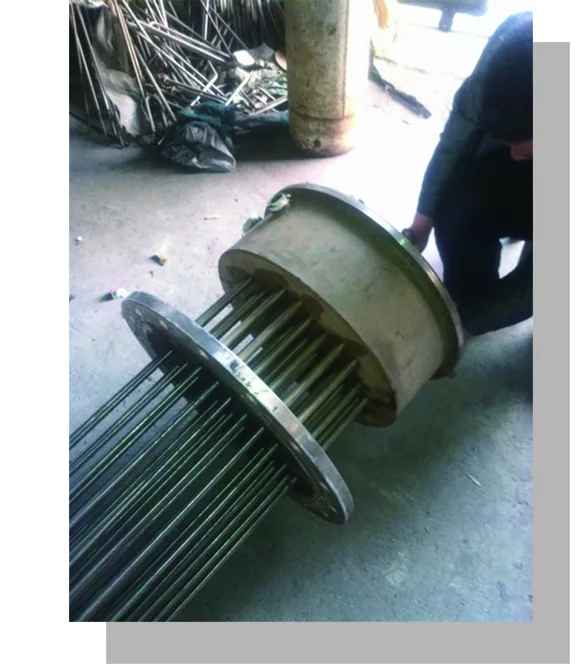
Duct reheat batteries, unit heaters, air curtains, conveyor dryers, timber and grain kilns.
Energy, Marine & Offshore
Crude and fuel-oil heating, gas superheat, platform utilities, marine tank heating and mining installations.
OEM & Equipment Builders
Machine builders specifying heaters into their own product — repeatable parts, stable part numbers, scheduled call-off against a blanket order.
06How ordering works
Quoted, not listed.
Sheath alloy, heated length, voltage and mounting all move the price, and roughly half of what ships is built to a customer drawing. A shelf price would be fiction, so the portal runs an RFQ-to-order flow instead.
- Step 01
Build a line list
Add catalog part numbers from any series page, or paste a whole list into the order pad. Add a note against any line that needs a non-standard sheath, length or voltage.
- Step 02
Submit the RFQ
Tell us the duty behind the list — medium, temperatures, flow, mounting, supply. That is what lets us confirm the density is safe before quoting rather than after.
- Step 03
Review the quotation
A firm quote with unit prices, lead time and any drawing to approve lands in your portal, usually within 1 business day. Non-catalog work comes back with a drawing first.
- Step 04
Accept into an order
Accepting converts the quote to an order and opens a production timeline: forming, filling, swaging, test, packing, shipment. Documents attach as they are produced.
07Built for North America
Specified in inches, wired for 60 Hz.
The catalog is authored in SI because that is how the plant works, but everything on this site converts, and the hardware options that matter on a US or Canadian job are built to order.
- Voltage
- 120 / 208 / 240 / 277 / 480 / 600 V @ 60 Hz
- Catalog windings are 220 / 380 V at 50 Hz; 60 Hz is a build option, not a stock item.
- Threads
- NPT · BSP · Metric fine (catalog standard)
- Catalog standard is metric fine — M22×1.5 and M27×1.5 fastening nuts.
- Flanges
- ANSI B16.5 150# / 300#
- DIN, JIS and GB also cut. Send the standard, size and class rather than a bolt count.
- Enclosures
- NEMA 1 / 4 / 4X (on request) · IP54 / IP65 (catalog standard)
- Terminal enclosure rating is set by where the heater lives, not by the element.
Compliance, stated honestly
A North American buyer cannot specify a heater on a claim. So this site separates what is documented from what is still being obtained, and never presents the second as the first.
On file today — 4 items
JB/T 2379-93 construction, insulation resistance and dielectric test limits, and the named resistance-wire grade.
Requested, not yet on file — 8 items
UL 1030 / UL 499, CSA C22.2 No. 72, ASME Section VIII, CRN, NEC 500 hazardous location, ISO 9001 and restricted-substance declarations.
08Technical library
The reference we wish buyers had before ordering.
Written for engineers specifying a heater, not for search rankings — although they serve both.
How to choose a tubular heating element
The six inputs that decide a tubular heater — medium, temperature, watt density, sheath alloy, mounting and voltage — and the order to settle them in.
ReadSheath material selection for immersion heaters
Which sheath alloy survives which medium — carbon steel, 304, 316L, Incoloy, titanium and PTFE compared by chemistry rather than by temperature.
ReadWhy immersion heaters fail — and how to stop it
The six failure modes that account for nearly every premature immersion heater failure, what each looks like on the element, and the interlock or spec change that prevents it.
ReadInstalling and maintaining tubular heating elements
The manufacturer's eight installation and storage rules, expanded into practical steps for commissioning, running and storing tubular elements.
ReadReading a Jianqiang part number
How JGQ3-380/2.0 and JGX2(JGJ2)-380/4 decode — series letter, bend form, voltage and kilowatts — and how to build a part number from a duty.
ReadFlange or threaded boss — choosing an immersion heater mounting
When a machined flange is required and when a threaded boss will do, covering pressure rating, removability, gasket faces and the flange standards worth naming on an inquiry.
Read09Common questions