Application
Heating elements for metal finishing & plating
Plating, anodizing, pickling, passivation and caustic degreasing — tanks where the chemistry decides the sheath long before the wattage does.
What usually goes wrong
Choosing the sheath from the temperature rather than the chemistry. A stainless element in a chloride bath pits along the waterline within months; the same duty in titanium runs for years.
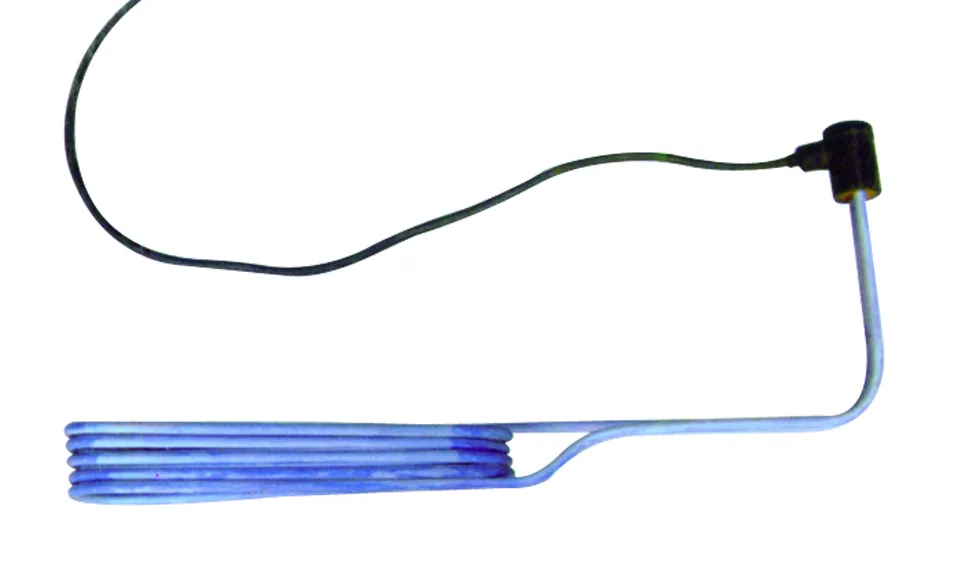
Typically specified
What this sector orders
- Titanium immersion heaters
- PTFE-clad heaters
- Titanium cooling coils
Relevant families
Every application in this sector still comes down to the same six inputs — medium, temperature, watt density, sheath alloy, mounting and supply. Send those and we will size against them rather than guess from the part number.
Answered within 1 business day.
Suggested series
Where most people start
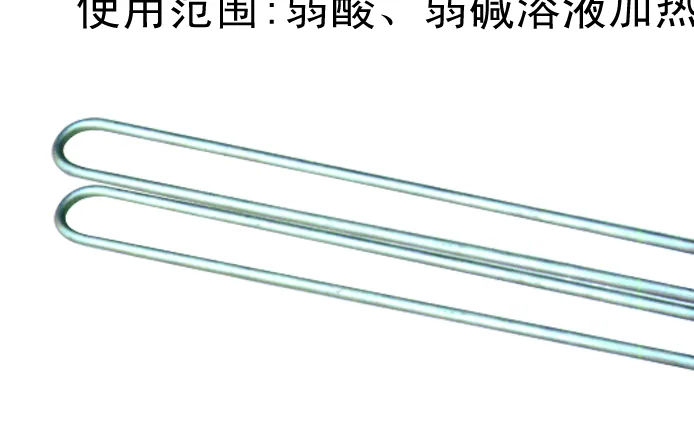 JGS-TiTo drawing
Titanium Immersion Heater
Weak acid and weak alkali service to 100 °C
- Max temp
- 212 °F
- Power
- 0.5–12 kW
- Part numbers
- 7
JGS-PTFETo drawingPTFE-Clad Immersion Heater
Strong acid and alkali plating chemistry to 80 °C
- Max temp
- 176 °F
- Power
- 0.5–6 kW
- Part numbers
- 6
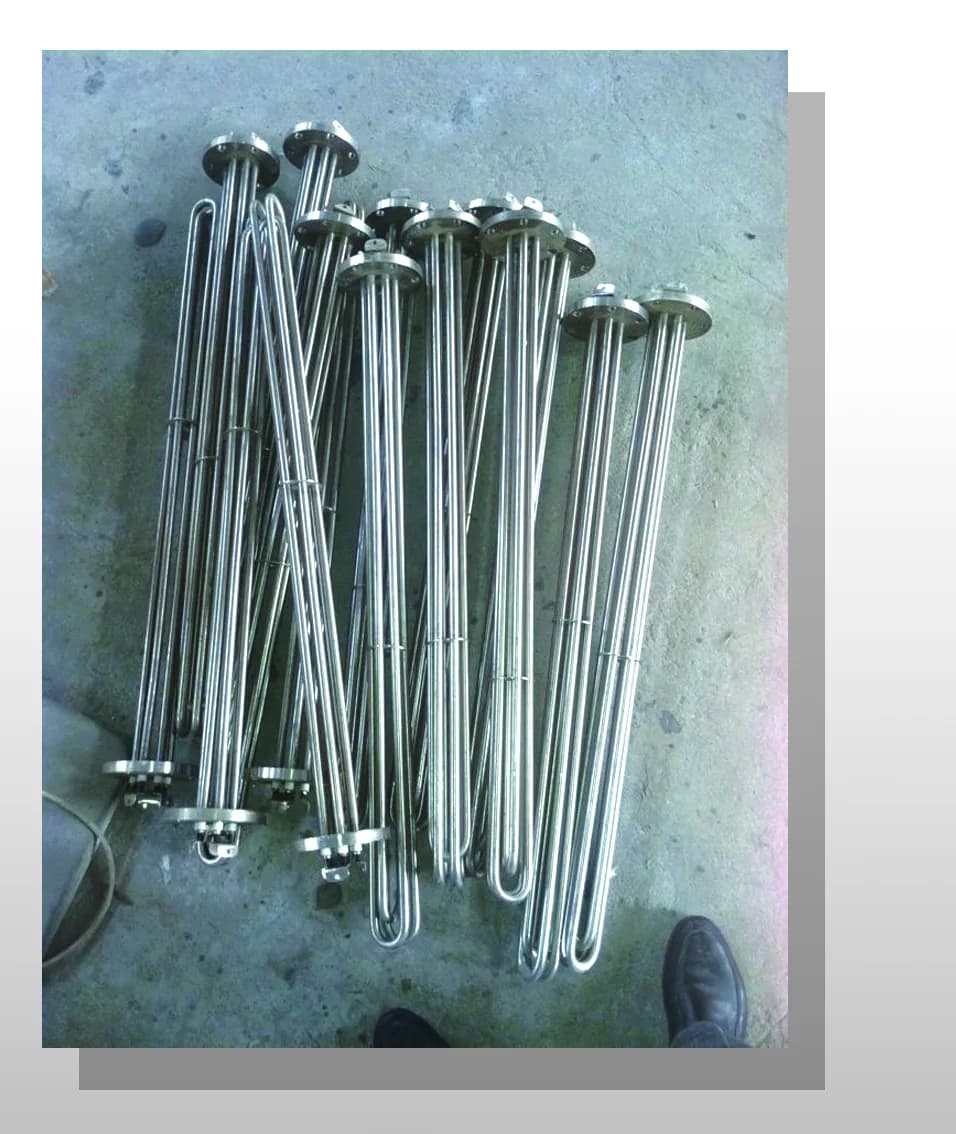 JGX / JGJTo drawing
JGX / JGJ Salt & Alkali Bath Heater
500–550 °C bath duty, 380 V, 2–7 kW
- Max temp
- 1022 °F
- Power
- 2–7 kW
- Part numbers
- 12
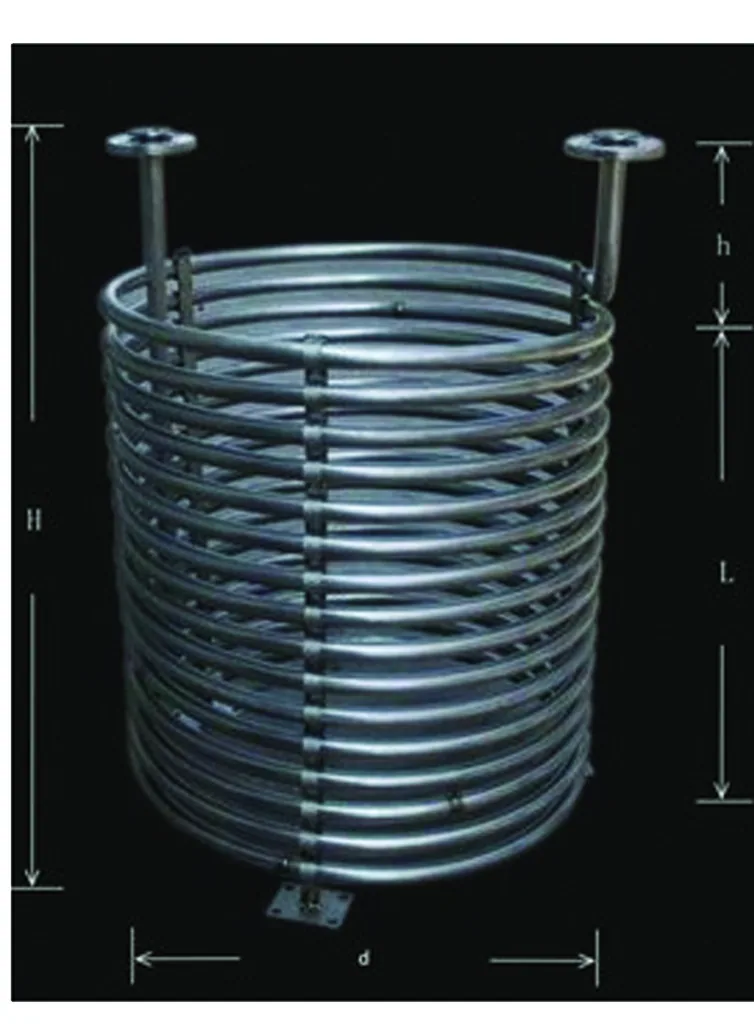 JGCTo drawing
Steam & Process Coil Tube
Helical and flat-spiral coils wound to your vessel
- Max temp
- 572 °F
- Power
- —
- Part numbers
- 8