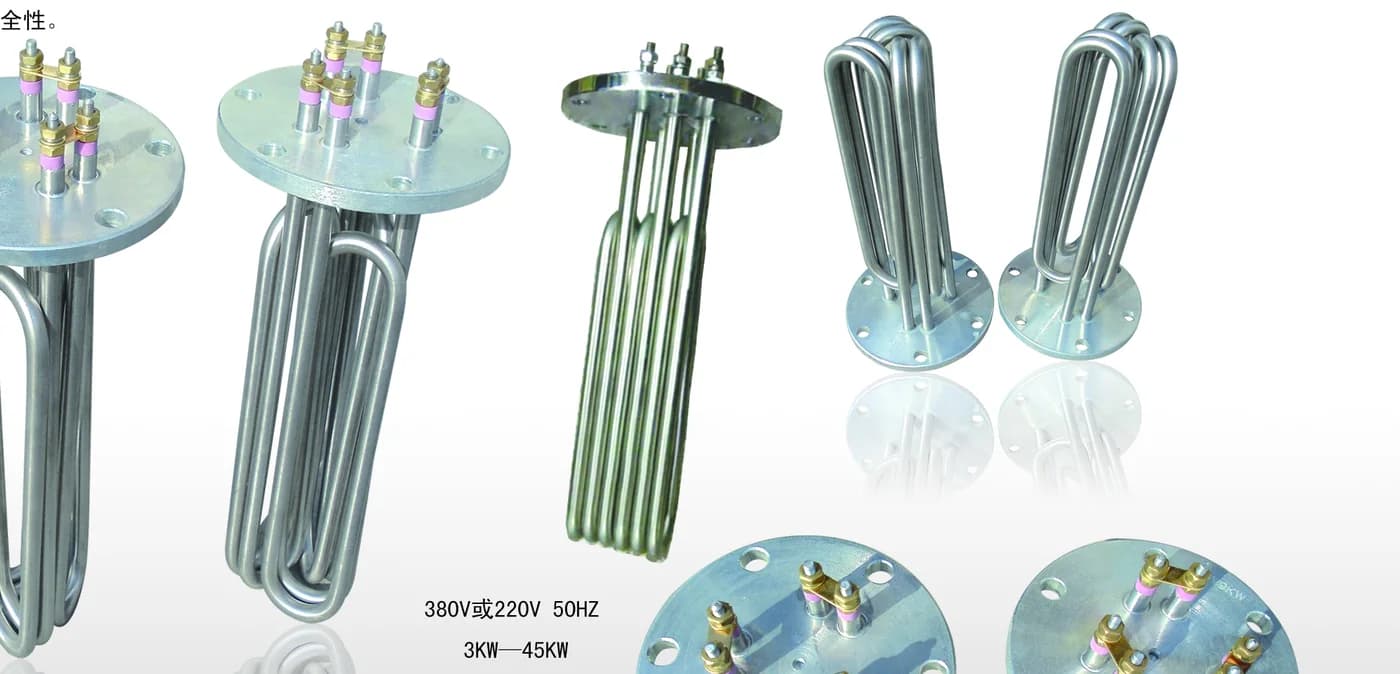
Electric steam generator heating bundles rated 3 to 45 kW at 380 V or 220 V
Electric Steam Generator
电锅炉蒸汽发生器
Packaged electric steam generator combining feedwater supply, electrode level control, an immersion heating bundle and safety interlocks — dry steam without a fired boiler.
- Max medium temperature
- 356 °F(180 °C)
- Power range
- 3 – 45 kW
- Voltage
- 220 / 380 V, 50 Hz
- Sheath material
- 304 stainless, 316 stainless, 20# steel
- Medium
- Water, Steam
- Mounting
- Free-standing
- Tube diameter
- 0.472–0.63 in
- Pressure rating
- 14.5–102 psi
- Lead time
- 25–40 days
- MOQ
- 1 unit
- Pricing
- On application
Design notes
3 to 45 kW packaged units at 220 V or 380 V, 50 Hz
The unit is built from four sub-systems working together. Feedwater is drawn from a tank through a check valve and a solenoid by a multistage pump or, on smaller units, a diaphragm pump; the pump has to develop enough head to push water in against the vessel pressure. Level is held by three electrode probes at different heights — low, medium and high — which start the pump when level falls and stop it when the vessel is full.
Heating is by a seamless-tube immersion bundle inside the shell, one or several elements depending on rating. Surface loading is held around 12 W/cm². As steam is drawn off, pressure falls, the controller re-energises the bundle, and pressure recovers; a pressure gauge and an indicator lamp panel show state at a glance.
The safety chain is what makes the package acceptable to run unattended. The level electrodes cut the heating bundle before the water can fall below the elements. An over-pressure switch and a relief valve limit shell pressure. An exhaust valve prevents air lock on start-up — the manufacturer's notes call out an air-locked vessel as a specific failure case in which the pump cannot inject and the elements are left in a falling water level.
Features
- 3 – 45 kW at 220 V or 380 V, 50 Hz
- Three-electrode level control — low, medium and high
- Seamless-tube immersion heating bundle in the shell
- Pressure gauge, indicator panel and relief valve
- Exhaust valve to prevent start-up air lock
Typical applications
- Garment and laundry pressing steam
- Food processing, steaming and sterilizing
- Small-scale process steam for laboratories and pilot plant
- Concrete and autoclave curing
- Building and equipment steam cleaning
North American build options
- Voltage
- 120 / 208 / 240 / 277 / 480 / 600 V @ 60 Hz
- Threads
- NPT or BSP cut to order
- Flanges
- ANSI B16.5 150# / 300#
- Drawings
- Issued in inches on request
These are build options, not stock items — the catalog part numbers above are 50 Hz with metric fine threads. State what you need on the RFQ.
Part numbers & dimensions
10 catalog part numbers in the JGG series
Steam output depends on feedwater temperature and working pressure as well as kilowatts. Tell us the steam demand in kg/h and the pressure you need at the point of use and we will size the unit against it.
Minimum order quantity for this series is 1 unit. Dimensions switch between millimetres and inches with the unit toggle in the header.
Full specification
- Power range
- 3 – 45 kW
- Supply
- 220 V or 380 V AC, 50 Hz
- Heating bundle
- Seamless tube, one or more elements by rating
- Surface loading
- ≈ 12 W/cm²
- Level control
- Three-electrode probe — low / medium / high
- Feed pump
- Multistage centrifugal; diaphragm on small units
- Protection
- Low-level cut-out, over-pressure switch, relief valve
- Indication
- Pressure gauge and panel indicator lamps
- Water quality
- Softened feedwater strongly recommended
Questions engineers ask
How do the level electrodes actually control the water?
Three probes are cut to different heights and sense whether water is bridging them to the shell. When level falls off the medium probe the feed pump starts; when water reaches the high probe it stops. The low probe is a safety, not a control — it drops the heating contactor before the water can fall below the elements. The manufacturer notes that electronic level controllers are the more stable of the two types available and suit a wider range of installations than mechanical floats.
Why does the unit need an exhaust valve?
To vent air on start-up. If air is trapped in the shell the feed pump cannot inject against it, so water does not enter while the elements are already energized — the exact condition that destroys an immersion bundle. Opening the exhaust valve until steam appears clears the air and lets the feedwater system work as designed.
Do I need softened feedwater?
Strongly recommended, and effectively mandatory in a hard-water region. Every liter of hard water leaves its carbonate behind on the heating bundle, and that scale insulates the elements until they fail from their own trapped heat. A softener on the feed is far cheaper than an annual bundle replacement plus the downtime around it.
How much steam will a given kilowatt rating produce?
It depends on feedwater temperature and working pressure, so there is no single conversion. Tell us the steam demand in kg/h at the point of use and the pressure you need there, along with your feedwater temperature, and we will size the unit rather than have you back-calculate from kilowatts.
Commonly specified with
Related series
 JGSTo drawing
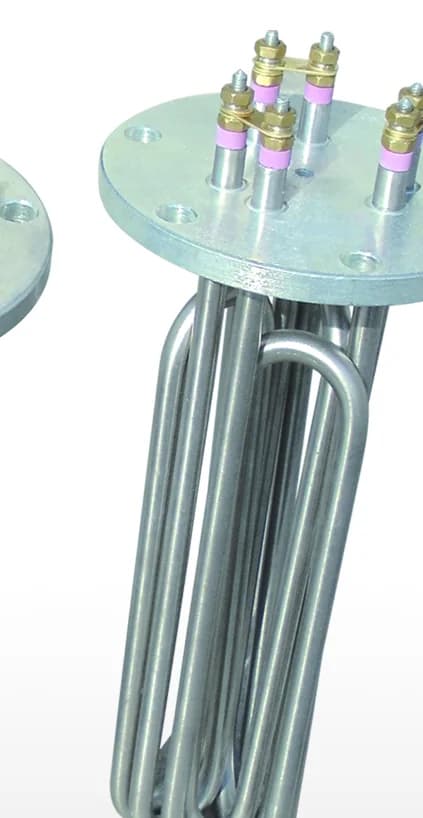
JGS Boiler & Water Immersion Heater
Flange or threaded mount, sealed for 0.8–4 MPa
- Max temp
- 320 °F
- Power
- 1–45 kW
- Part numbers
- 13
 JGCTo drawing
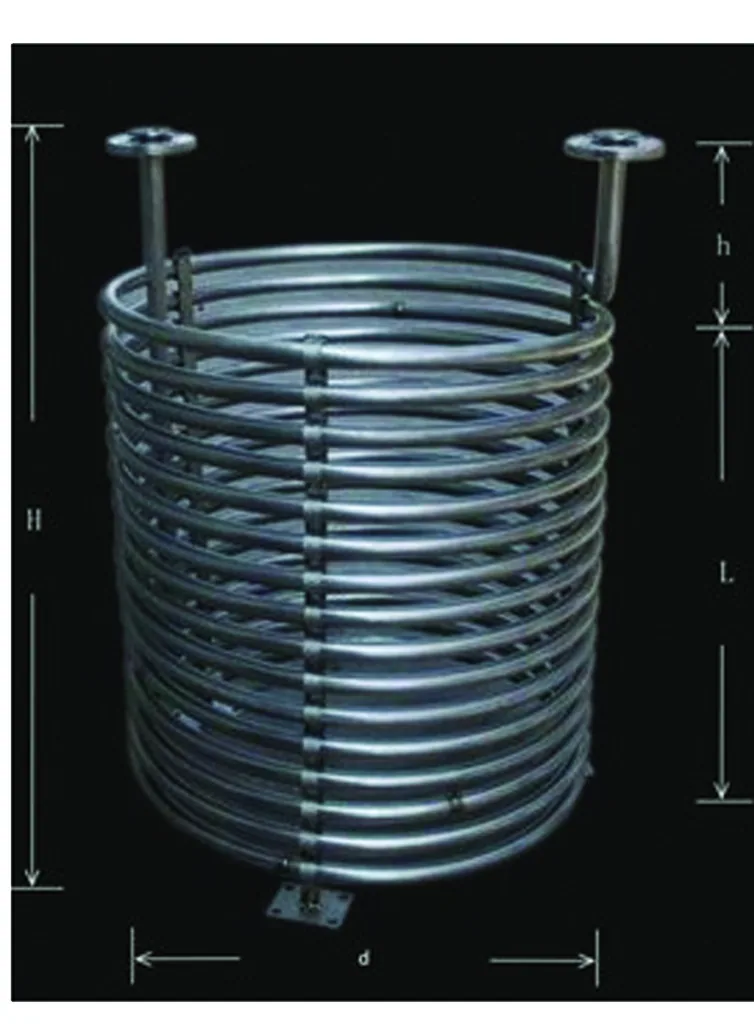
Steam & Process Coil Tube
Helical and flat-spiral coils wound to your vessel
- Max temp
- 572 °F
- Power
- —
- Part numbers
- 8
 JGBTo drawing
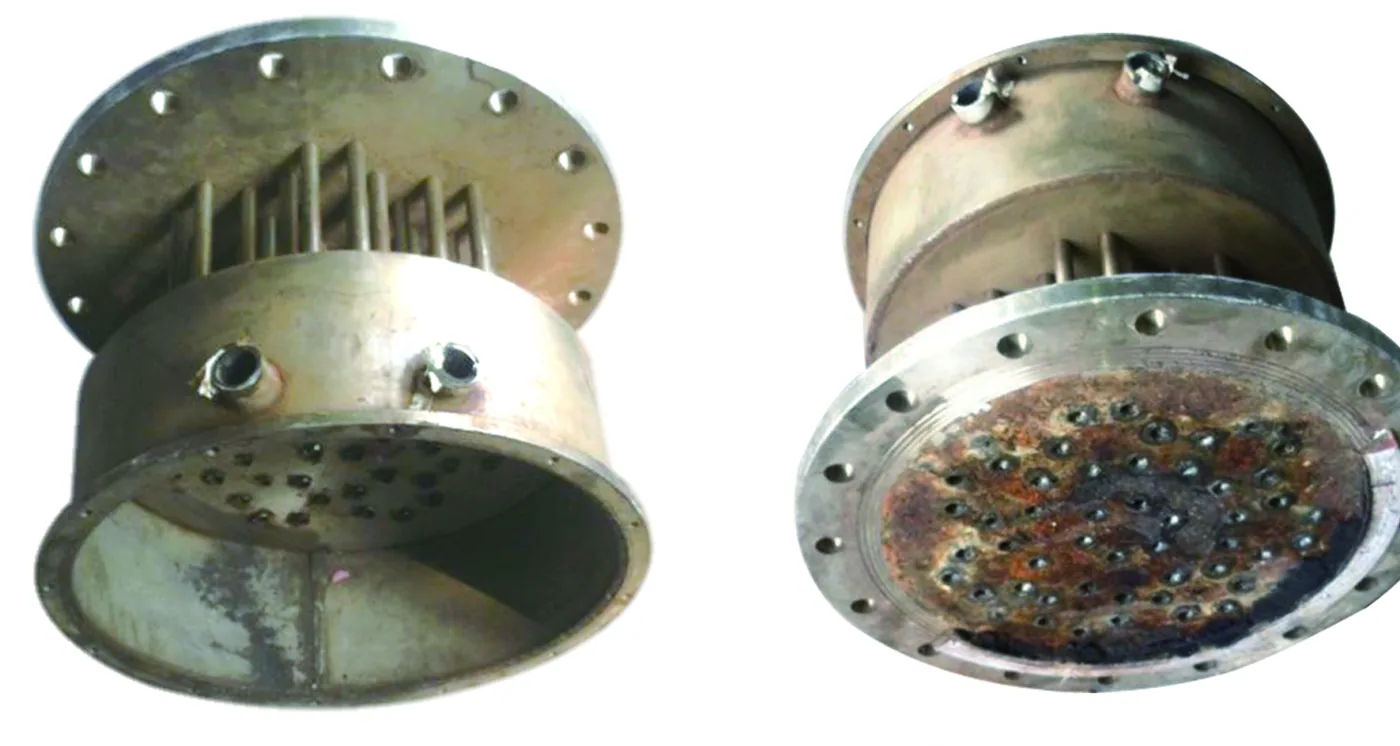
Explosion-Proof Flanged Immersion Heater
Flameproof enclosure, baffled flow path, independent high-limit
- Max temp
- 842 °F
- Power
- 3–200 kW
- Part numbers
- 8